
Belton Directory Collection Routes
Belton city directories are a collection question before they become a name search. The Texas State Library and Archives Commission, often called TSLAC, identifies several Texas directory routes: print and microform in its Austin Reference Reading Room, digitized directories in the UNT Portal to Texas History, University of Texas Briscoe Center holdings, library access to Ancestry U.S. City Directories, HeritageQuest through TexShare, and WorldCat catalogue searches. Those paths establish where Texas directory material can be pursued. They do not establish a Belton volume, a publisher, or a date range.
| Collection | Years / coverage | Where held | Access |
|---|---|---|---|
| Belton city directories | Exact run not located | Belton Public Library, TSLAC, UT Briscoe, and UNT catalogues | Verify a title, year, and call number before relying on it. |
| Texas city-directory holdings | Varies by city | TSLAC Reference Reading Room | Print and microform are consulted on site; staff do not perform name searches by phone or email. |
| UNT Belton partner material | 1840s-1960s material; no directory item confirmed | UNT Portal to Texas History | Search online by item and collection. |
| Belton newspapers | Uneven local runs, including 1877-1918 material | UNT, the Belton Newspaper Archive, and the Belton Journal archive | Use digitized issues where present and log gaps. |
| Sanborn maps | Belton coverage listed 1885-1949; examples from 1907 and 1921 | UT Briscoe, UNT, and Library of Congress finding tools | Use a digitized sheet when available or request the named item. |
The lack of a confirmed local directory run matters. No Belton-specific publisher, shelf mark, first year, last year, telephone book sequence, or reverse-directory series was verified in the inspected sources. A regional title filed under Bell County, Temple, or another Central Texas heading may still exist, but it needs a catalogue record or a repository answer. The table is an access map, not evidence that every listed route contains a Belton city directory.
Belton Directory Years Remain Unverified
It is tempting to fill a shelf gap with a familiar directory publisher or a plausible set of years. That would be inaccurate here. TSLAC’s statewide list and its directory research guidance did not produce a complete Belton sequence, and the inspected public catalogues did not identify an actual Belton directory entry, page, abbreviation key, or publisher. The appropriate record is a research gap: historical directories may be valuable, but a local series has not yet been documented.
A focused inquiry works better than a broad request for old resident lists. Ask each repository whether it holds a Belton or Bell County city, telephone, reverse, or criss-cross directory; ask for the exact title, geographic coverage, publisher, year, call number, format, and whether street listings appear. Retain each response. Five precise answers from Belton Public Library, TSLAC, UT Briscoe, UNT, and the Bell County Museum are more useful than a copied list of unverified years.
Belton Library Directory Research
Belton Public Library is the most practical local starting point for historical directory work. It is at 301 East 1st Avenue and publishes 254-933-5830 as its phone number. Posted hours are Monday through Friday, 9 to 6, and Saturday, 9 to 5. Its links include the Belton Newspaper Archive, catalogue, interlibrary loan, and TexShare resources. The online library catalogue offers keyword searching and contact fields for name, order number, email or phone, message, and fax. Electronic resources may be available only in the library, and availability was noted as temporarily suspended on the catalogue page during inspection.
Friends of the Belton Public Library describes a genealogy and local-history collection, approximately 3,300 Central Texas photographs, compiled material, Lena Armstrong Files on Belton and Bell County, and family histories. Those materials can supply a surname, place, or date to test against a directory if a volume is found. The Friends material is a collection lead rather than an official record, so note the file name, item date, and source used. The library began in 1899 and moved into city government in 1933, a useful clue that material may be divided among library, city, and Friends collections.
The library’s local-history entry point is the right starting place for a collection inquiry.
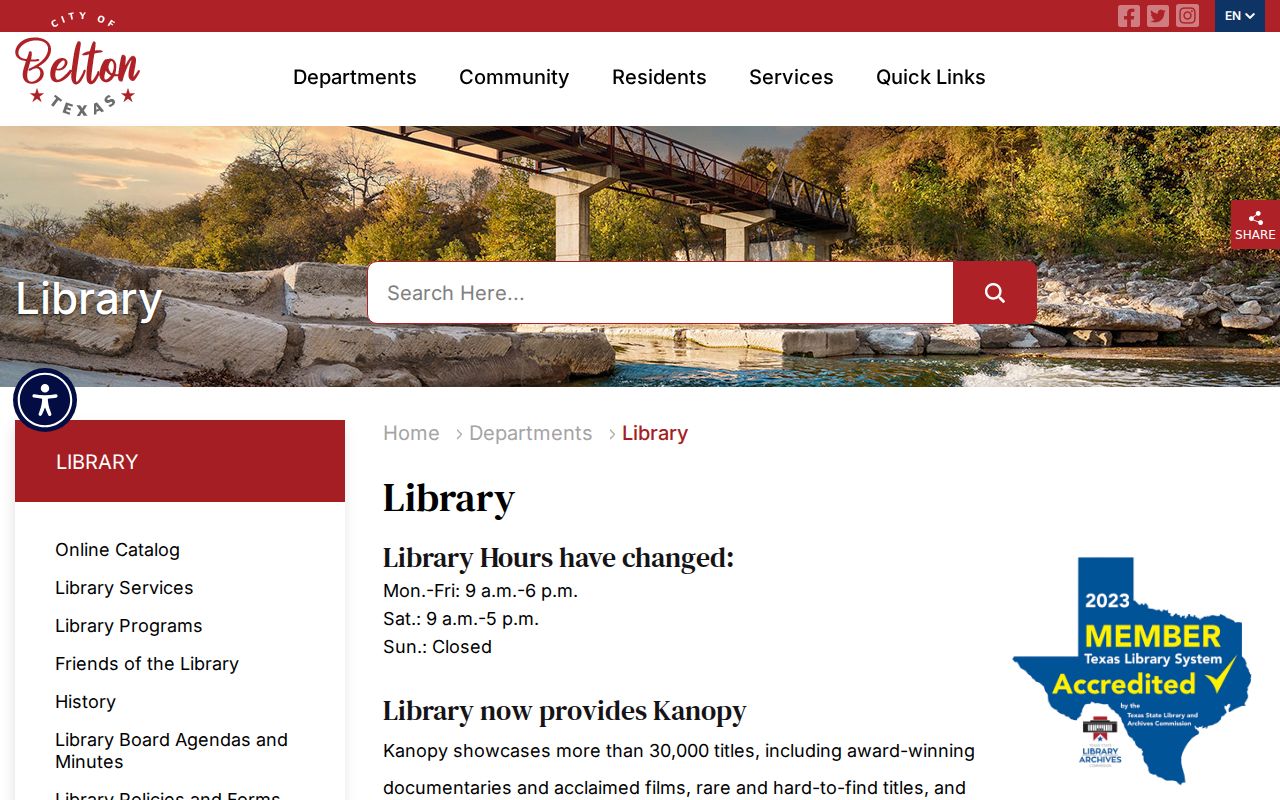
Use the library contact route to request a title and call number, not an assumed directory year. That makes a later transcription repeatable.
Belton City Directory Companions Online
The UNT Portal to Texas History’s Belton Public Library partner collection reports 76 items, 12 collections, 23 titles, and material spanning the 1840s through the 1960s. Its named material includes the Belton Journal, Bell County Democrat, Temple Telegram, Texas Posten, photographs, and other local records. No digitized Belton city-directory item was confirmed there. The collection is still a strong companion source because an advertisement, social note, obituary, court notice, or business item can confirm the time and place surrounding a directory entry.
The available newspaper runs are uneven. The Portal describes Belton Journal material from September 23, 1880, through August 8, 1918, along with Belton Weekly Journal material from 1877 to 1882, sparse Belton Reporter issues, Bell County Democrat issues, Belton Evening News, and Journal-Reporter material. A search failure may reflect an absent issue, imperfect OCR, an initial, a married name, or a different spelling. Search surname variants, street names, businesses, churches, schools, and event terms before treating silence as a result.
UNT’s partner page shows the digitized Belton material available for date-by-date comparison.
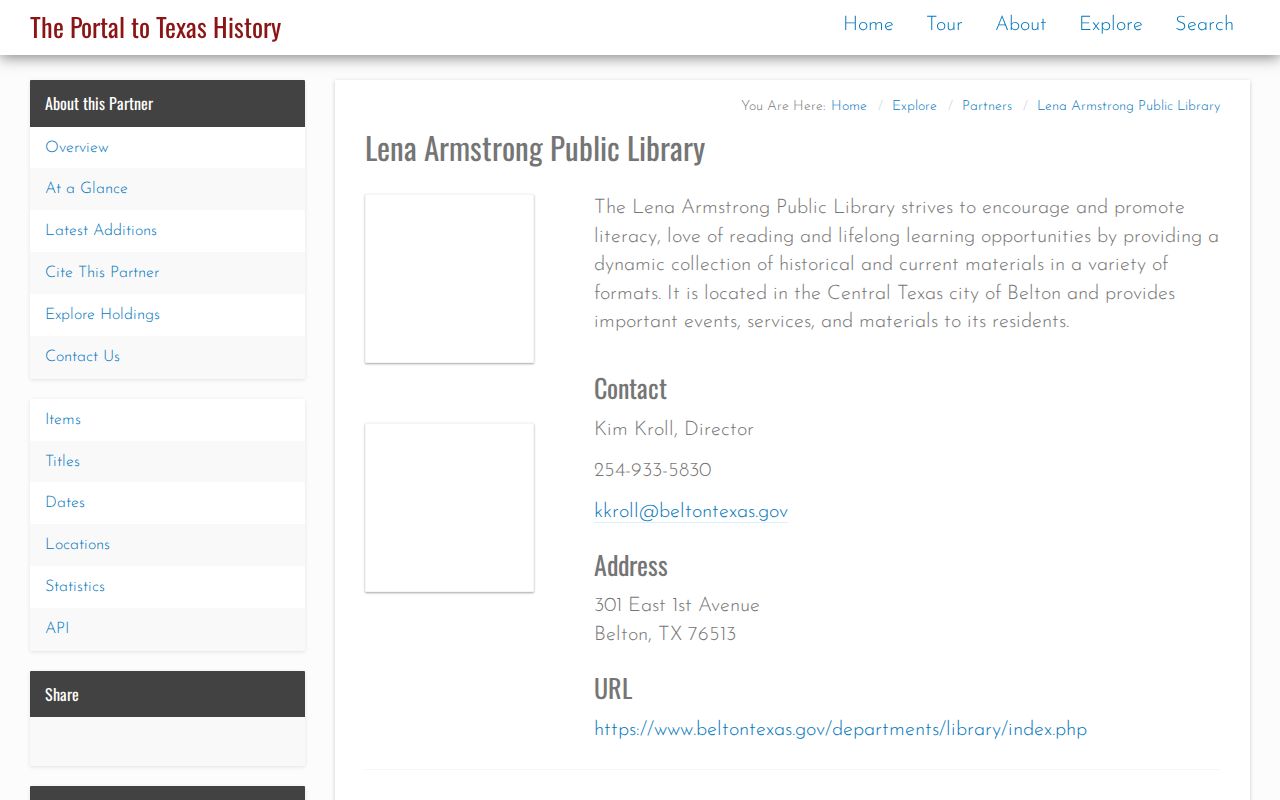
Record the issue date, page, and item URL for every newspaper observation so it remains separate from a directory entry.
Reading a Belton City Directory Entry
No Belton-specific sample page was located, so the following inventory is a general inspection protocol rather than a transcription from a local volume. Once a verified directory is in hand, start with the title page, then inspect an alphabetical name page, a street or householder page, a classified section if present, and the abbreviation key. A printed address can be a business, office, boarding-house, or delivery address. Preserve the section name and publication year with the entry.
| Name | Copy initials, surname spelling, honorific, married or maiden form, and any widow notation exactly as printed. |
|---|---|
| Occupation or business | Record it only when present, along with any named business or office. It identifies a publication field, not a full biography. |
| Printed address | Keep house number, street, and section type together. Do not silently convert it into a current address claim. |
| Spouse or widow note | Preserve parentheses and abbreviations. These marks may point to a family relationship but need corroboration. |
| Owner or renter mark | Copy the symbol and the volume’s key. Not every directory uses these marks. |
- Criss-cross directory
- A volume arranged by street and number so a known address may lead to a householder or business. No Belton run has been verified.
- Householder index
- A street-oriented listing that usually names the principal listed household member rather than every person at an address.
- Abbreviation key
- The volume’s explanation of shortened labels and symbols. Photograph or transcribe it before interpreting an entry.
Tracing a Belton Household by Year
A verified directory becomes more useful when read as a sequence. Normalize the surname and initials, then compare two or three nearby years instead of relying on one edition. Create a small research table with the year, section, printed address, occupation or business if shown, spouse or widow notation, phone if shown, page, and confidence. Pair the series with federal census schedules, which are public after 72 years. The 1950 census is currently open, while later schedules remain restricted under that rule.
- Locate the earliest verified directory appearance and copy the full citation from the title page and entry page.
- Search forward through nearby editions, preserving every spelling, initial, and printed address change.
- Check the street or householder portion only if the verified volume contains one, then record its separate page reference.
- Compare the dated entry with the nearest public census and note differences in place, household composition, and enumeration geography.
- Test a move, death, marriage, business change, or absence with a newspaper, deed instrument, cemetery item, or vital index.
A stable address with a new name can reflect a sale, marriage, death, boarder, spelling change, or publication choice. A stable name at a new address may indicate a move, annexation, or a business versus home address. A census is a dated household enumeration, not a yearly ledger. A directory disappearance is likewise a lead to investigate, not proof of departure.
Belton Directories and Changed Blocks
Belton’s central district changed after the 1879 fire described by the Texas State Historical Association. The event helps frame a careful records question: did the same lot contain a different building, business, or address presentation after rebuilding? It does not prove that county record books were lost, and no authoritative county courthouse-disaster or records-restoration history was located. Treat the town fire as built-environment context, not a shortcut around missing directory evidence.
The TSLAC city-directory research guide should be paired with maps and deeds when an old street line is unclear. UT Briscoe’s digitized 1907 Belton Sanborn sheet identifies buildings, construction, commercial occupancy, property boundaries, house and block numbers, and fire and water details; a 1921 sheet supplies a later comparison. TxDOT’s guide lists Belton Sanborn coverage from 1885 to 1949, but that range does not promise every sheet survives or is online.
TSLAC’s city-directory guide documents the statewide holdings route used to begin this comparison.
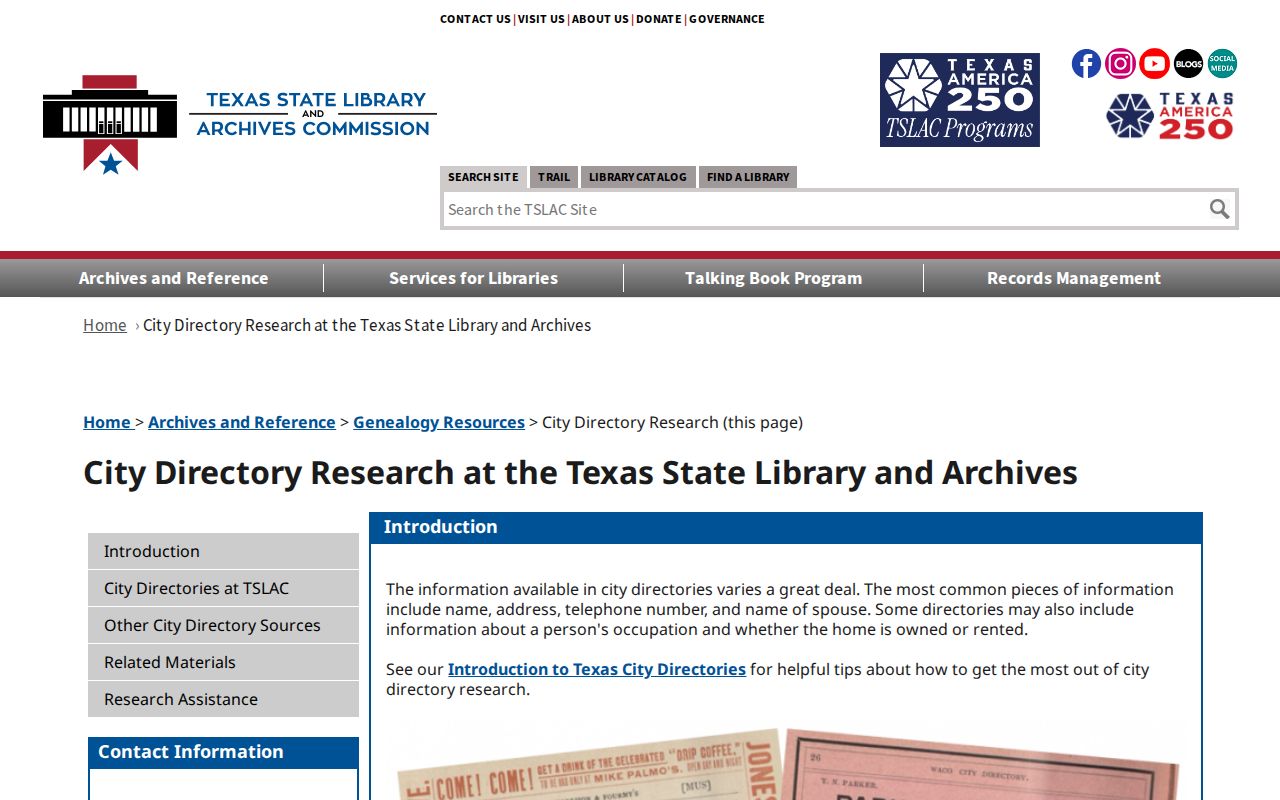
Use the exact map sheet, date, and item URL beside the directory citation. A map can locate a building or block but cannot identify a complete household.
Friends of Belton Public Library’s collection description is another local-history lead for photographs, family files, and compiled Belton material.
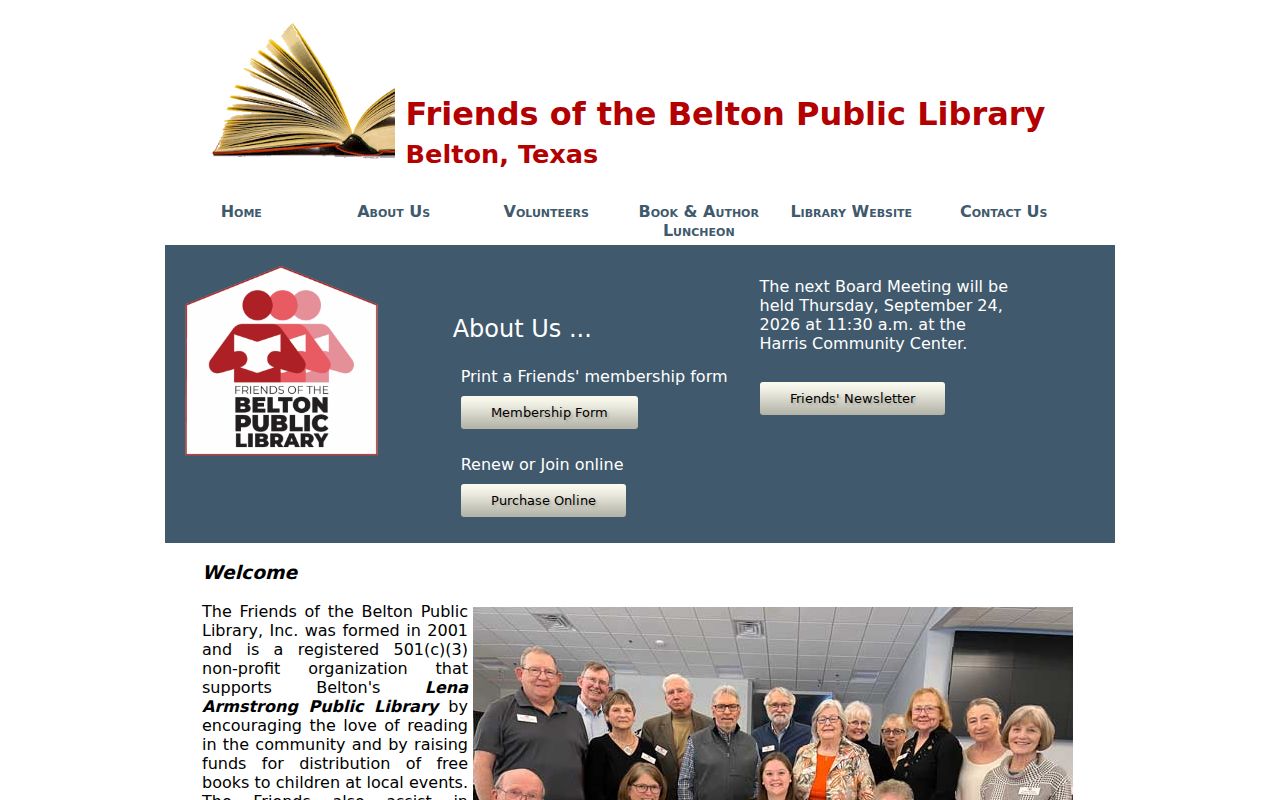
Those files can supply context for a documented name or street, but their source and date still need to be captured before a conclusion is made.
Belton City Directory Access Channels
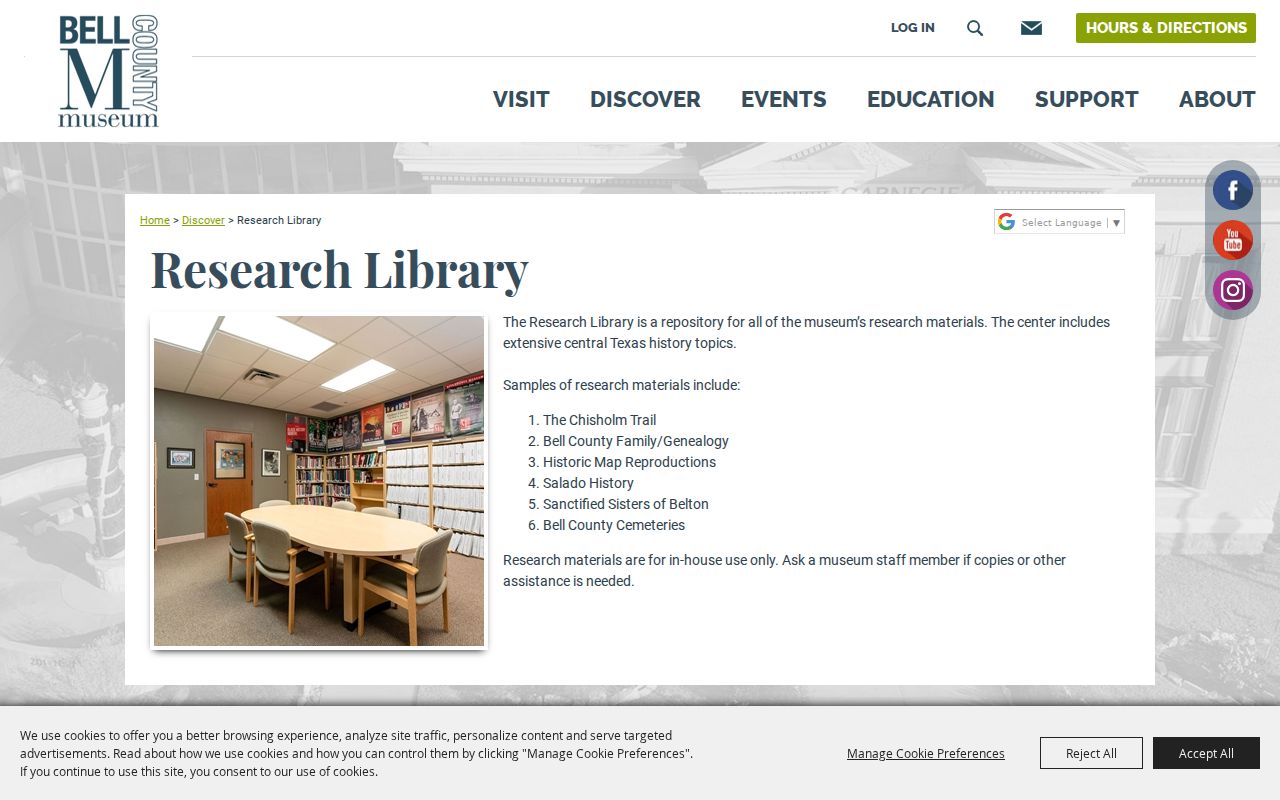
The Bell County Museum Research Library adds an in-person route when online catalogues do not resolve a directory. Its collection topics include Bell County family and genealogy material, historic map reproductions, Belton and Salado history, cemeteries, and named local communities. The museum is at 201 N Main in Belton, publishes 254-933-5243 and museum@bellcounty.texas.gov, and describes its research access as in-house. Ask whether a family, address, photograph, map, vertical file, or directory title appears in its current finding aids.
The Museum Research Library’s access page explains the in-house collection route.
The catalogue search, a library visit, a museum visit, TSLAC or UT reading-room use, and a specific phone or email inquiry are all separate access channels. Use one or more when the first route does not identify a volume.
Note: Capture title, year, repository, call number or item URL, and page number before sharing a historical directory finding.